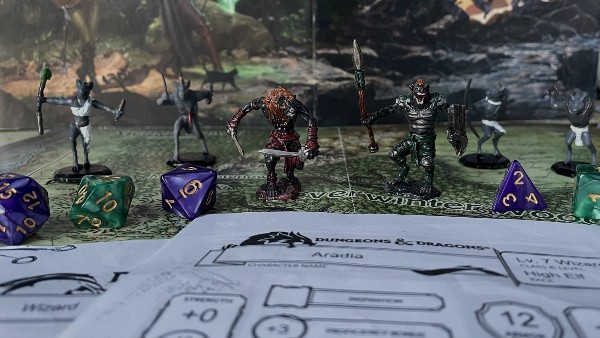
To calculate initiative in 5e, look at your Dexterity modifier; the two are one and the same (usually). To calculate your initiative in combat, make a Dexterity check (roll a d20 and add your Dexterity modifier to the result).
After all creatures make an initiative check, the DM ranks them in order from highest to lowest, creating the “initiative order,” or the order in which they act during each round of combat. This order remains the same each round.
If players tie on initiative rolls, they can choose the order. The DM chooses the order if a tie between monsters or between monsters and players occurs. The DM can also have tied parties roll a d20, having the higher number go first. Many tables also homebrew the rule that the highest natural Dexterity score goes first in the result of a tie.
Player’s Handbook, page 177, 190
How to Improve Initiative
To improve your initiative, you need to gain the Alert feat or be a certain class or subclass. The Alert feat gives a flat +5 bonus to your initiative, as well as other effects (PHB 165).
Other class-specific ways of changing the initiative calculation include:
-
Bard – Jack of All Trades (2nd-level). +half proficiency bonus to all ability checks (including initiative)
-
Wizard (Chronurgy) – Temporal Awareness (2nd-level). +Intelligence modifier to initiative
-
Wizard (War Magic) – Tactile Wit (2nd-level). +Intelligence modifier to initiative
-
Ranger (Gloomstalker) – Dread Ambusher (3rd-level). +Wisdom modifier to initiative
-
Rogue (Swashbuckler) – Rakish Audacity (3rd-level). +Charisma modifier to initiative
-
Fighter (Champion) – Remarkable Athlete (7th-level). +half proficiency bonus to all Dexterity checks (including initiative)

Matt Zane
Author, DnD Lounge